
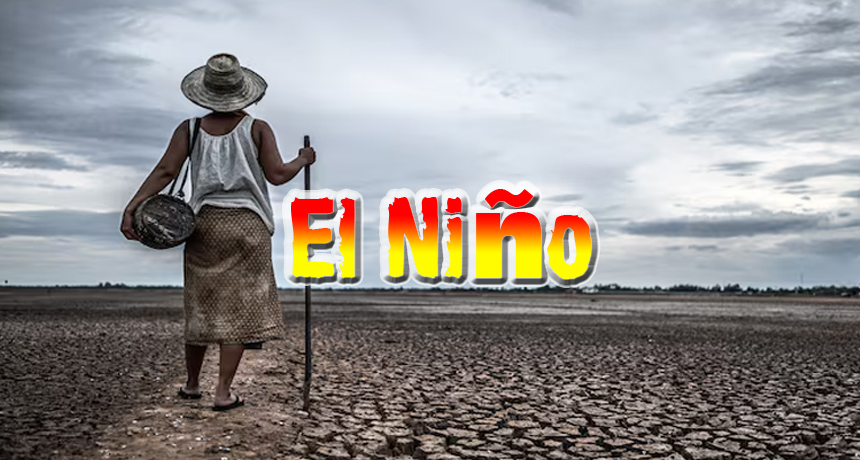
El Niño can strongly influence pest populations in agriculture, forestry, and public health. The impacts vary by region and pest type, but several common patterns are observed during El Niño years:
1. Increased Crop Pest Outbreaks
Hotter and drier conditions often stress crops, making them more vulnerable to insect attacks.
Common agricultural impacts include:
- Higher populations of aphids, mites, whiteflies, and caterpillars
- Faster insect reproduction because warm temperatures shorten life cycles
- Greater spread of plant diseases carried by insects
Examples:
- Rice pests such as brown planthoppers may increase in drought-stressed rice fields.
- Corn and vegetable crops often experience more armyworm or beetle infestations during prolonged dry spells.
2. Changes in Mosquito and Disease Vector Populations
El Niño can alter rainfall patterns:
- Drought may reduce some mosquito habitats.
- But intermittent rains and water storage practices can increase breeding sites for mosquitoes.
This may raise risks of:
- Dengue fever
- Malaria
- Chikungunya
In parts of Southeast Asia and the Philippines, dengue outbreaks are sometimes linked to El Niño-related climate variability.
3. Rodent Population Surges
After dry periods, sudden rains can create abundant vegetation and food supplies, leading to rapid increases in rodent populations.
Effects include:
- Crop damage
- Food contamination
- Increased disease transmission (e.g., leptospirosis)
4. Forest and Tree Pest Problems
Drought-stressed trees become weaker and less able to resist pests.
This can lead to:
- Bark beetle infestations
- Termite expansion
- Higher tree mortality
- Increased wildfire risk, which further disrupts ecosystems
5. Reduced Natural Pest Control
Extreme heat and drought can also harm beneficial organisms:
- Predatory insects
- Parasitoids
- Soil microbes
- Frogs and birds
When natural enemies decline, pest outbreaks may become more severe.
Why El Niño Often Worsens Pest Problems
Key mechanisms:
- Warmer temperatures accelerate pest development.
- Drought weakens plant defenses.
- Altered rainfall changes breeding habitats.
- Ecosystem imbalance disrupts predator-prey relationships.
In the Philippines
During strong El Niño events, farmers commonly report:
- Increased rice and corn pests
- More mites and sucking insects in vegetables
- Water shortages that reduce crop resilience
- Higher risk of fall armyworm spread in dry conditions